 0
0
 0
0
Austria is set to introduce sweeping changes to its road traffic regulations, aiming to improve safety across the country. The updated Straßenverkehrsordnung (road traffic code) comes into force on Friday, bringing a range of new requirements—particularly for the rapidly growing use of e-scooters.
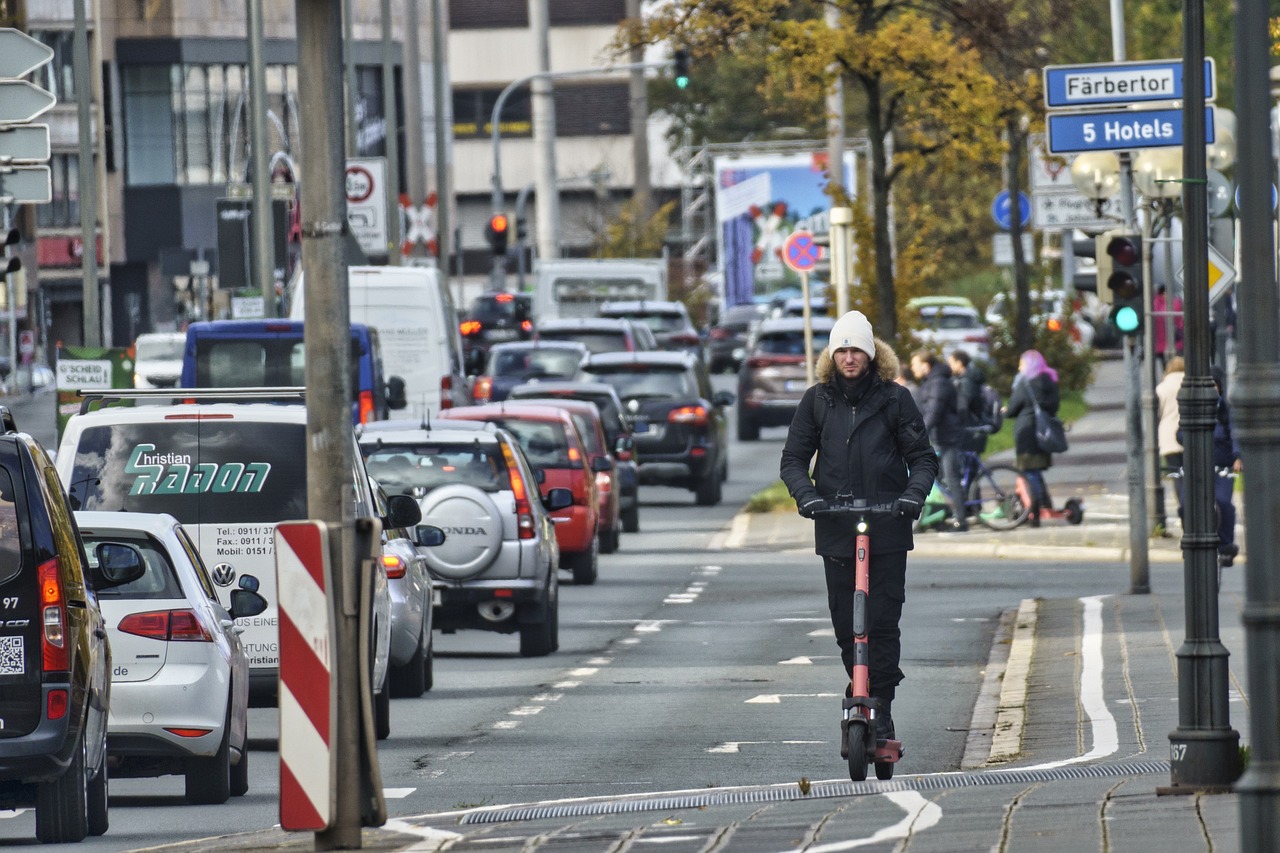
One of the most significant updates targets e-scooter users. From May 1, all e-scooters must be equipped with indicators and a bell. In addition, transporting goods or carrying a second person will now be explicitly prohibited under the new rules. These measures are intended to standardize equipment and reduce risky behavior on increasingly crowded urban streets.
Despite months of debate, a general helmet requirement for e-scooter and e-bike riders will not be introduced. The proposal had been strongly supported by Peter Hanke, but ultimately faced opposition from NEOS, preventing its inclusion in the final regulation.
The decision has drawn criticism from safety advocates. The KFV (Kuratorium für Verkehrssicherheit) argues that limiting helmet requirements primarily to younger riders does not reflect real-world accident data. According to the organization, 97% of e-bike accident victims are older than 14, meaning they fall outside the group required to wear helmets. Similarly, 82% of injured e-scooter riders are over 16 and will not be subject to mandatory helmet use.
“اگر all e-bike and e-scooter riders wore helmets, we could prevent up to 1,000 severe traumatic brain injuries each year,” said Othmar Thann Robatsch, emphasizing the potential life-saving impact of stricter rules.
While acknowledging that the reforms are a step in the right direction, Robatsch believes they do not go far enough. He points out that, unlike in many other European countries, e-scooters in Austria are still allowed to travel at speeds of up to 25 km/h. He also advocates for the mandatory introduction of a second brake system for added safety.
On a more positive note, Robatsch welcomed the introduction of automated access restrictions, which will allow authorities to enforce traffic bans more effectively. “We have always said that prohibitions must be backed by enforcement. This finally makes that possible,” he noted.
As Austria adapts its laws to keep pace with new forms of mobility, the debate over safety, regulation, and personal responsibility is likely to continue.
- source: kleinezeitung.at/picture: pixabay.com



This post has already been read 10860 times!